

Understanding the Different Types of Wood Flooring
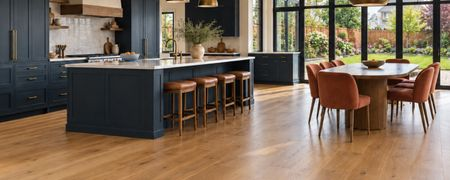
Flooring sets the entire foundation for your home, shaping how each room feels the moment you step into it. Natural wood remains one of the most sought-after surfacing materials because it brings genuine warmth, rich texture, and a sense of permanence to living spaces. Choosing the right style, however, involves balancing design vision with everyday functional demands.
Navigating the various options can feel overwhelming with so many materials and construction methods available today. Exploring hardwood options becomes much simpler once you know how different species, builds, and finishes perform in daily life. This guide breaks down the core categories of wood flooring to help you select a surface that suits your aesthetic taste and your household routine.
Solid Hardwood Flooring
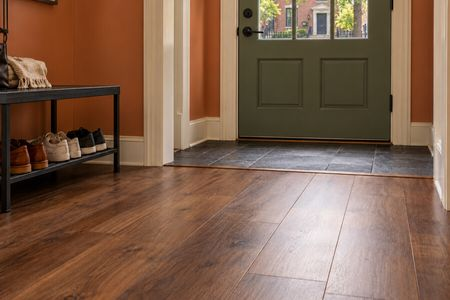
Solid hardwood represents the traditional standard of wood surfaces. Each plank consists of a single, continuous piece of timber cut directly from the tree trunk. This uniform construction delivers an authentic, substantial feel underfoot that has made it a favorite for generations of homeowners.
Oak stands out as the most widespread option for solid wood installations. White oak offers a tight grain with cool, neutral tones that adapt well to contemporary interiors, while red oak features warm undertones and pronounced grain patterns that add strong character to traditional spaces. Hickory delivers exceptional hardness and vivid grain contrast, making it an ideal choice for high-traffic zones like entryways or busy family rooms where durability is essential.
Solid wood planks expand and contract across their width when relative humidity changes throughout the year. Because of this natural movement, installers must nail or staple solid boards to a wood subfloor at or above ground level. These planks are not suitable for basements or damp spaces over concrete slabs. Solid wood allows for multiple refinishing projects over its long lifespan, enabling you to refresh the surface texture or alter the stain color decades after the initial installation.
Engineered Hardwood Flooring
Engineered hardwood combines a top layer of real hardwood with a core made from multiple layers of cross-grained plywood. This structural design minimizes the natural expansion and contraction caused by seasonal humidity changes while preserving the exact appearance of solid timber on the surface.
The structural stability of engineered boards allows manufacturers to craft exceptionally wide planks and long boards without increasing the risk of warping or cupping. Wide planks reduce the number of visible seams across a room, creating a clean visual flow that makes open-concept living spaces appear larger and more cohesive. European oak remains a popular choice in wide-plank formats because its subtle grain pairs beautifully with wire-brushed textures and low-sheen matte finishes.
Because the multi-layer core resists movement caused by moisture, engineered hardwood installs safely across every level of your home. You can glue, staple, or float these boards directly over concrete slabs, beneath ground level in finished basements, or over existing subfloors. The top real-wood layer, known as the wear layer, varies in thickness depending on the plank quality, with thicker options allowing future sanding and refinishing similar to solid timber.
Alternative Wood-Look Materials
For areas where high moisture or heavy wear requires specialized performance, alternative wood-look materials deliver the visual appeal of natural grain patterns alongside water-resistant construction. These products allow you to maintain a consistent aesthetic throughout your entire home layout.
laminate flooring uses a high-density fiberboard core topped with a detailed photographic layer and an aluminum oxide wear coating. Current printing and embossing techniques mirror the fine details of real grain patterns, including wire-brushed textures and hand-scraped character. Laminates offer high resistance to everyday surface scratches from pets and clear protection against household spills, providing an easy-care option for active homes.
luxury vinyl plank provides a durable, fully waterproof surface that imitates the look of oak, walnut, or maple. It uses a rigid core construction that resists impact marks while remaining comfortable underfoot. Luxury vinyl works exceptionally well in full bathrooms, mudrooms, and laundry rooms where liquid spills occur frequently. The planks click together cleanly, creating a tight surface barrier that cleans up easily with simple sweeping and damp mopping.
Surface Finishes and Planking Textures
The top surface treatment defines how light reflects off your floor and determines how much ongoing care the surface requires. Matching the finish style to your household activities ensures long-term satisfaction with your investment.
Pre-finished hardwood boards receive multiple coats of durable stain and protective sealant in a controlled factory setting before delivery to your home. Factory finishes often include aluminum oxide additives that create an extremely tough outer barrier against everyday wear. Choosing pre-finished planks eliminates the sanding dust, strong odors, and drying downtime associated with staining floors directly inside your home during the installation process.
Site-finished hardwood flooring involves installing raw, unfinished wood boards and then sanding, staining, and sealing them inside your home. This approach allows you to customize the stain shade to match existing trim or cabinetry precisely. Site finishing creates a flat plane across the entire floor surface, filling tiny gaps between boards to form a continuous visual plane without bevels between individual planks.
Texturing techniques add tactile depth to real wood planks while helping hide the minor scuffs that occur over time. Wire-brushing removes the soft outer grain of the wood, leaving a durable, textured surface that highlights the natural pattern of the tree. Hand-scraped finishes create gentle, rolling contours across the plank surface, giving the room a relaxed, rustic feel that wears gracefully in homes with pets and active children.
Selecting the Right Flooring for Your Space
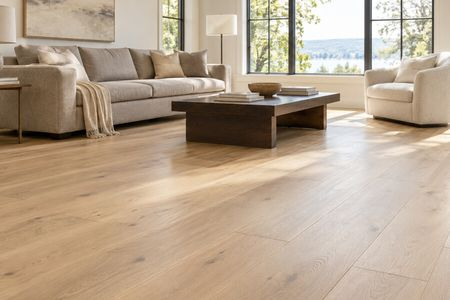
Finding the ideal wood flooring requires matching the physical properties of the material with the specific environment of each room in your home. Evaluating traffic patterns, moisture exposure, and subfloor conditions will guide you toward the proper choice.
Every flooring category brings unique performance characteristics tailored to specific locations and subfloors throughout your home:
- Solid Hardwood: Performs best on main and upper living levels over plywood or OSB subfloors, carrying a low moisture tolerance that requires humidity-controlled environments.
- Engineered Hardwood: Adapts to all home levels including finished basements, installing smoothly over concrete or plywood subfloors with moderate to high moisture resistance.
- High-End Laminate: Fits active, high-traffic rooms over almost any subfloor, offering moderate water protection with many fully waterproof plank options.
- Luxury Vinyl Plank: Serves moisture-prone spaces like full bathrooms and mudrooms on any flat subfloor, delivering 100% waterproof protection against daily spills.
Before selecting a material, check the subfloor composition and moisture levels in the installation area. Basements and concrete slabs call for engineered wood or waterproof alternatives like luxury vinyl. Upper-level bedrooms and main-floor living areas with wood subfloors provide the ideal base for solid hardwood or engineered planks.
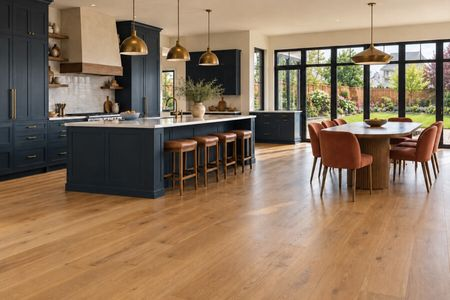
Consider how your family uses each space on a daily basis. The Janka hardness scale measures how well a wood species resists denting and wear under pressure. Harder domestic woods like hickory and oak hold up well against heavy foot traffic and pet claws. Brittle or softer species like walnut offer rich color tones and smooth grain patterns that work best in lower-traffic areas like dining rooms or home offices.
Your Local Flooring Resource
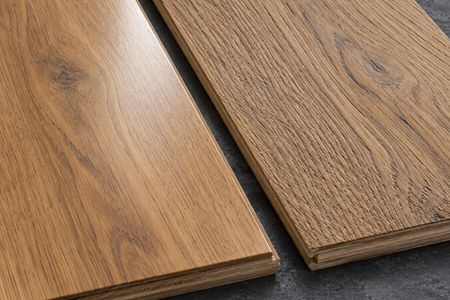
Selecting the ideal floor involves comparing physical samples, feeling the surface textures, and seeing how different tones respond to the natural light in your home. Having expert guidance makes every step of the decision process straightforward and rewarding.
At Staff Carpet, we’ll help you explore your options and find the right flooring for your home in Springfield, IL. Our local team brings deep material knowledge to your project, ensuring you choose a surface structure, species, and finish that aligns with your lifestyle and design vision for years to come.